
How Do You Prepare a Site for Metal Garage Installation Before Winter?
To prepare a site for metal garage installation before winter, choose an accessible location, clear debris and vegetation, level and stabilize the ground, establish proper drainage, and complete any required permits and foundation work. Confirm the manufacturer’s site and anchoring requirements before installation, and schedule preparation early enough to avoid complications from frozen ground, heavy rain, or snow.
Installing a metal garage before winter is a practical way to protect vehicles, equipment, tools, and other valuable belongings from seasonal weather. However, the success of the project depends on more than choosing the right building. Proper site preparation helps support structural stability, drainage, and long-term performance.
At Infinity Carports, we understand that purchasing a metal garage is an important investment. Our goal is to help customers choose durable, customizable metal buildings that fit their property and storage needs.
Whether you’re planning a residential garage, workshop, or equipment storage building, preparing the installation area ahead of time can help create a smoother process and reduce preventable delays.
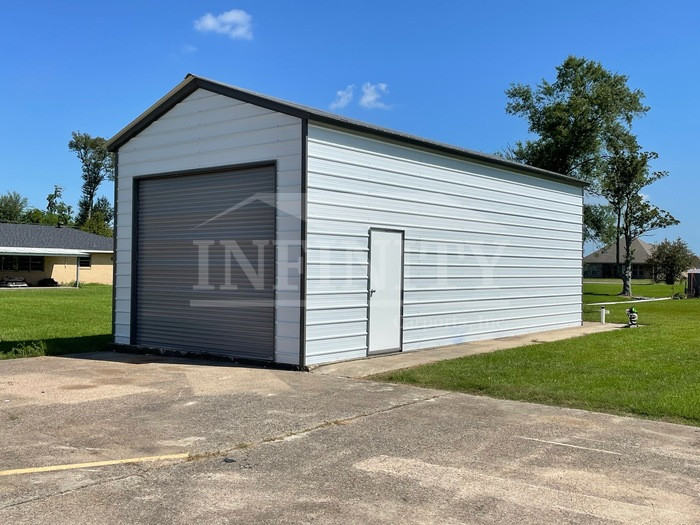
Essential Site Preparation Steps for Metal Garage Installation
Before your metal garage arrives, several important tasks should be completed to make sure the installation area is ready.
How Do You Choose the Best Location for a Metal Garage?
The best location for a metal garage is a level, accessible area with suitable soil conditions, adequate drainage, and enough room for installation crews to work safely.
Start by evaluating how you plan to use the building.
For example, a garage used for daily vehicle parking should have convenient driveway access. A workshop may require additional space for equipment, electrical connections, or future expansion.
Consider these factors when selecting your location:
- Accessibility: Make sure vehicles and installation equipment can reach the site.
- Drainage: Avoid low-lying areas where rainwater and melting snow collect.
- Property boundaries: Confirm required setbacks from property lines and nearby structures.
- Utilities: Identify underground and overhead utility lines before construction.
- Future use: Allow room for additional storage, doors, or building extensions.
Before beginning excavation, contact the appropriate utility-locating service. In the United States, the 811 system helps property owners arrange for participating utilities to mark underground lines before digging.
Choosing the right location early can help prevent expensive changes later in the installation process.
What Ground Preparation Is Needed Before Installing a Metal Garage?
A metal garage needs a properly prepared, stable surface that meets the building manufacturer’s requirements.
Uneven ground can complicate installation and may interfere with the building’s alignment, anchoring, and long-term performance.
Site preparation typically includes the following steps:
- Clear the area. Remove vegetation, roots, rocks, debris, and other obstacles from the installation footprint.
- Grade the site. Establish the required elevation and slope so the building area is properly positioned.
- Prepare the soil. Address soft spots, unsuitable fill, or unstable ground conditions.
- Compact approved fill. Use suitable materials and compaction methods when grading requires additional soil or aggregate.
- Verify dimensions. Confirm that the prepared area accommodates the full building footprint and any required foundation extensions.
If your property has a significant slope, additional grading or engineered foundation work may be necessary.
Avoid placing a metal garage directly on loose fill or unstable soil without proper preparation. A stable foundation helps reduce the risk of settlement and related structural problems.
Do You Need a Concrete Foundation for a Metal Garage?
Not every metal garage requires a concrete slab, but the appropriate foundation depends on the building design, intended use, local regulations, and manufacturer specifications.
Some metal garages may be installed on properly prepared gravel or other approved surfaces using compatible anchoring systems.
Concrete foundations are often preferred for enclosed garages, workshops, and buildings used for frequent vehicle storage.
A concrete slab can provide several benefits:
- A durable surface for parking and equipment.
- Easier cleaning and maintenance.
- A stable working area for workshop activities.
- Compatibility with certain engineered anchoring systems.
- Better control of ground moisture when properly designed with suitable vapor protection and drainage.
Before pouring concrete, verify the required slab dimensions, thickness, reinforcement, anchor locations, and any footing requirements.
Cold weather can also affect concrete installation.
According to the American Concrete Institute, cold-weather concreting requires special precautions when air temperatures are expected to fall below 40°F during the protection period. Proper temperature control, curing, and protection help concrete develop the strength needed for its intended use.
If a concrete foundation is part of your project, scheduling that work before freezing temperatures become common can help simplify preparation.
How Can You Prevent Drainage Problems Around a Metal Garage?
Proper drainage is essential because standing water around a metal garage can contribute to soil erosion, moisture problems, and foundation deterioration.
Before installation, examine how rainwater moves across your property.
The surrounding grade should generally direct surface water away from the building rather than toward its foundation.
Depending on the property, drainage improvements may include:
- Grading the surrounding soil to promote runoff.
- Installing gutters and downspouts.
- Directing roof runoff to an appropriate discharge location.
- Adding drainage systems where site conditions require them.
- Avoiding installation areas that regularly collect standing water.
For enclosed metal garages, moisture control is especially important during winter.
Temperature differences can cause condensation on metal surfaces when warm, humid air contacts colder materials. Proper insulation, ventilation, and vapor-control strategies can help manage this problem.
Addressing drainage before installation is usually easier than correcting water problems after the building is complete.
When Should You Schedule Metal Garage Installation Before Winter?
Ideally, site preparation should begin several weeks before your desired installation date, although the actual timeline depends on permits, foundation work, contractor availability, and weather conditions.
Fall can be a convenient time to prepare for installation because the ground may still be workable before sustained freezing temperatures arrive.
A practical preparation schedule might include:
Four to six weeks before installation: Confirm building dimensions, investigate permit requirements, select the location, and arrange necessary site work.
Two to four weeks before installation: Complete grading, drainage improvements, and foundation construction as required.
One week before installation: Verify that the foundation meets the required specifications, the installation area is accessible, and any required inspections or approvals are complete.
These are planning estimates rather than guaranteed timelines. Concrete strength requirements, weather delays, permit reviews, and site complexity may require additional time.
For customers considering prefab metal buildings or custom metal garage buildings, coordinating the building order with site preparation can help prevent unnecessary scheduling problems.
Frequently Asked Questions About Metal Garage Site Preparation
Can you install a metal garage during winter?
Yes, metal garages can be installed during winter when weather, ground conditions, foundation readiness, and safety requirements allow. Snow, ice, frozen soil, and extreme temperatures may delay certain installation activities.
Does the ground have to be perfectly level for a metal garage?
The installation surface must meet the manufacturer’s levelness and foundation tolerances. Significant slopes, uneven areas, or unstable soil should be corrected before installation.
Do you need a permit to install a metal garage?
Permit requirements depend on local building regulations, the size of the structure, its intended use, and the property location. Contact your local building department before beginning construction.
Can a metal garage be installed on gravel?
Some metal garages can be installed on properly prepared gravel using an approved foundation and anchoring system. Confirm that the building design, local codes, and manufacturer requirements permit this installation method.
Get Your Property Ready for a Metal Garage With Infinity Carports
Preparing your property before winter can help make metal garage installation more efficient while supporting the long-term performance of your building.
From choosing the right location to planning drainage, foundation requirements, and installation access, taking care of these details early can make a meaningful difference.
At Infinity Carports, we help customers explore durable metal garages, steel buildings, and customizable storage solutions designed around their needs. Whether you need additional vehicle protection, equipment storage, or a dedicated workshop, our team can help you select the right structure for your property.
Ready to install a metal garage before winter? Contact Infinity Carports today to explore our metal garage buildings for sale and start planning a reliable storage solution!